


_edited.jpg)


How To Fill Nutrient Gaps Naturally

Updated: Sep 6
Even with the best intentions, it’s easy for women to miss essential nutrients in their diet. From busy schedules to picky eating, nutrient gaps can affect energy, immunity, and overall health. Learn simple, natural ways to fill these gaps and feel your best every day.
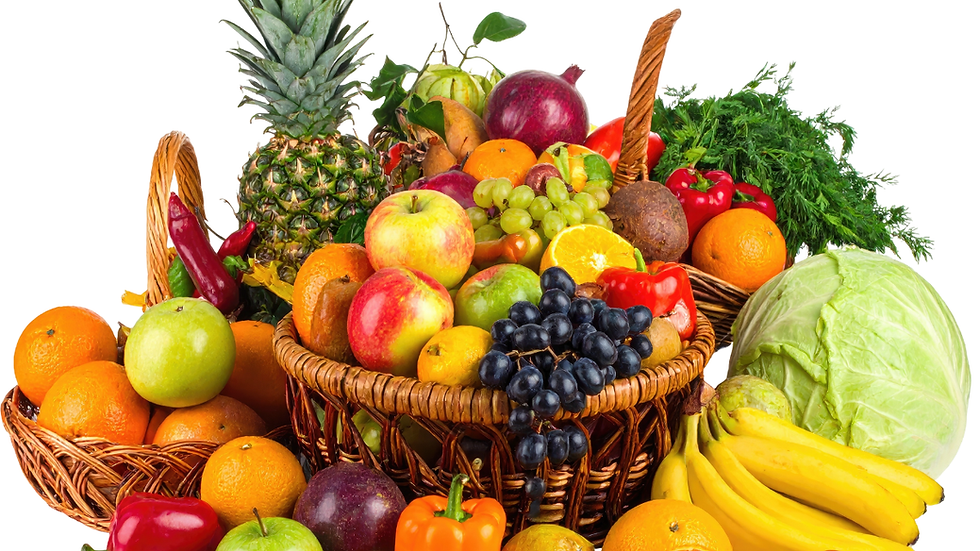
Nutrient gaps occur when your diet lacks sufficient vitamins, minerals, or macronutrients. For women, this can lead to:
Fatigue and low energy
Weak immunity
Hormonal imbalances
Bone and muscle loss
Tip: Filling these gaps naturally is safer and more effective than relying solely on supplements.
1. Eat a Rainbow of Fruits and Vegetables
Colorful produce ensures a wide spectrum of vitamins, minerals, and antioxidants.
Benefits:
Supports immune health
Reduces inflammation
Promotes skin, hair, and eye health
Examples:
Red: Tomatoes, strawberries
Orange: Carrots, sweet potatoes
Green: Spinach, broccoli
Purple: Eggplant, blueberries
Tip: Aim for at least five colors daily.
2. Incorporate Whole Grains
Whole grains provide fiber, B vitamins, and essential minerals often missing in refined foods.
Benefits:
Sustains energy
Supports digestion and gut health
Helps maintain a healthy weight
Sources: Quinoa, brown rice, oats, whole-wheat products
Tip: Replace white bread or rice with whole grain alternatives.
3. Prioritize Protein-Rich Foods
Protein is essential for muscle repair, hormone production, and satiety.
Sources: Lean meats, eggs, legumes, tofu, Greek yogurt
Benefits:
Builds and repairs tissue
Stabilizes blood sugar
Keeps you full longer
Tip: Include a protein source in every meal to avoid deficiencies.
4. Include Healthy Fats
Healthy fats provide essential fatty acids and support vitamin absorption.
Sources: Avocados, nuts, seeds, olive oil, fatty fish
Benefits:
Supports brain and heart health
Reduces inflammation
Enhances absorption of vitamins A, D, E, K
Tip: Limit processed oils and trans fats for better nutrient intake.
5. Don’t Forget Calcium and Vitamin D
Calcium and vitamin D are critical for bone health, especially for women over 30.
Sources: Dairy, fortified plant milks, leafy greens, salmon, sunlight
Benefits:
Strong bones and teeth
Prevents osteoporosis
Supports muscle function
Tip: Pair calcium-rich foods with vitamin D for better absorption.
6. Add Iron and Folate for Energy
Iron and folate are especially important for women of reproductive age.
Sources:
Iron: Lean meats, lentils, spinach
Folate: Leafy greens, citrus, beans
Benefits:
Prevents fatigue and anemia
Supports healthy blood cells
Enhances energy and focus
Tip: Combine plant-based iron with vitamin C for better absorption.
7. Stay Hydrated and Mindful of Micronutrients
Water is vital for nutrient transport and metabolism, and trace minerals support overall wellness.
Tips:
Drink at least 8 glasses of water daily
Include nuts, seeds, and whole grains for magnesium, zinc, and selenium
Rotate foods to cover a broader nutrient spectrum
8. Small Lifestyle Changes Make a Big Difference
Meal prep to avoid nutrient gaps from skipped meals
Rotate foods weekly to prevent monotony
Track nutrient intake using apps or journals if needed
Consider whole-food-based supplements only when necessary
Final Thoughts
Filling nutrient gaps naturally is all about variety, balance, and mindful choices. By eating a rainbow of fruits and vegetables, including whole grains, proteins, and healthy fats, and staying hydrated, women can cover most nutrient needs without relying heavily on supplements. Small, consistent changes lead to better energy, immunity, and overall health—helping you thrive every day.


%20(1).jpg)


-oak-11x14-front-66ce93867a6ad.jpg)


